Online mattress sellers ask shoppers to pay for a bed they have never lain on, and they lean on three systems to make that easier: long home trials, compressed bed-in-a-box shipping, and return pickups that send used mattresses to charity or recycling. Policy pages and trade reporting show how each works and where it strains.
How a 100-night trial works
Casper’s trial and return policy page shows the usual template. The trial runs 100 nights from delivery, but the first 30 nights are a required adjustment period when returns are not accepted. After that, the company says, a courier removes the mattress, with no restocking, pickup or processing fees, and the original payment is refunded in full.
The terms are not uniform. When Retail Dive compared return policies in 2022, most sellers offered a trial of around 100 days, and many asked customers to sleep on the mattress for about 30 days first. Mattress Firm charged a $99.99 return delivery fee plus restocking fees of 10% or 20%. Simmons did not take back unboxed mattresses; it refunded customers on proof of donation.
What the box changes
A timeline from the Mattress Recycling Council (MRC), created by the International Sleep Products Association in 2014 to manage state recycling programs, dates the boxed bedding concept to 2007. Alex Savy, founder of SleepingOcean.com, told Retail Dive that in-home testing became favored as bed-in-a-box companies grew.
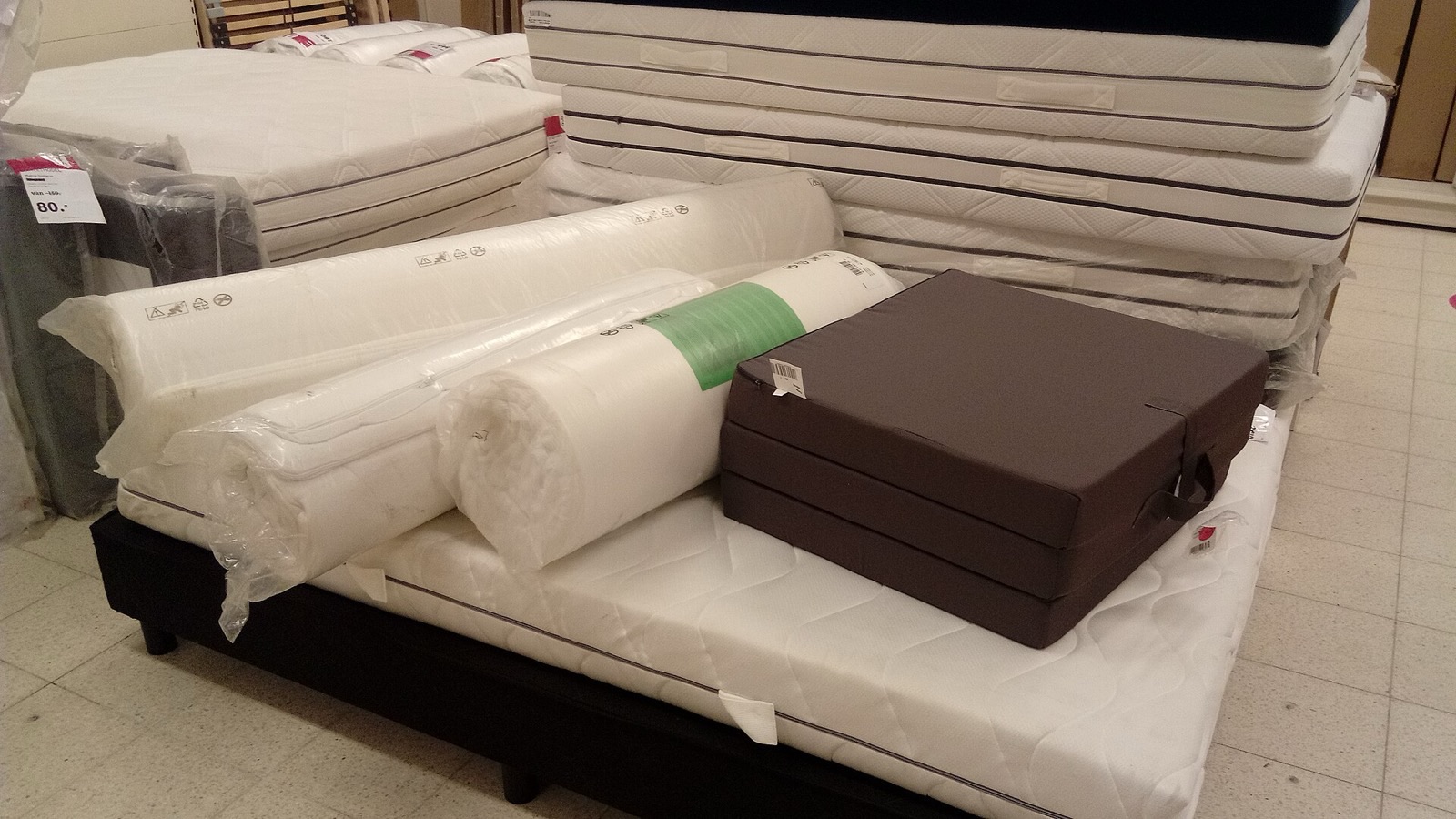
Saatva, which does not ship in a box, sets out the tradeoffs in its delivery guide. Boxed mattresses, usually foam, are rolled up and left at the door, so buyers set them up and dispose of the old bed themselves. They need time to inflate and air out; Saatva says vacuum sealing concentrates odors, and off-gassing of volatile organic compounds from the foam can leave a smell for a few days. Saatva also argues that rolling bends innerspring coils, and offers free white glove delivery with setup.
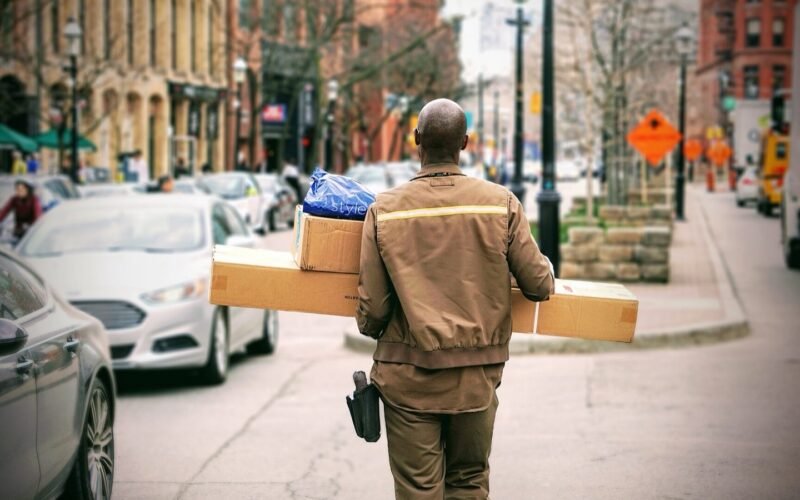
The box is a one-way trip. Casper tells customers they do not have to squeeze a returned mattress back into it, because the courier packs it. It also warns that mattresses left unopened too long may no longer qualify for a return, since their condition cannot be verified.
Where returned mattresses go
Used mattresses are hard to resell. “Not only are they really expensive to transport, because they’re bulky and heavy, but there also aren’t really a lot of ways to sanitize those products,” Fara Alexander, director of brand marketing and communications at reverse logistics firm goTRG, told Retail Dive.
For many sellers, donation comes first. Casper says its team “will try their best to donate your product to a charity or recycle it,” provided items are in donatable condition. In 2022, Avocado reported 1,500 donation partners and a 95% donation success rate, and Saatva said it never resold returns. Zinus said returned mattresses went back into inventory or were disposed of, depending on condition. Many charities require mattresses to be clean and free of stains, Retail Dive noted.
Recycling is the next stop where programs exist. MRC says up to 75% of a mattress is recyclable and that its programs in Connecticut, California, Rhode Island and Oregon have recycled more than 17 million mattresses over 10 years, keeping more than 650 million pounds of material out of landfills.
Why online brands opened showrooms
Many brands that began online now sell in person too. In the February 2026 issue of the trade magazine BedTimes, Casper wholesale director KJ Holsey said the company, which started entirely as a direct-to-consumer (DTC) brand selling compressed mattresses in a box, now has roughly a two-to-one split between in-store and online sales, with about 45 of its own stores. “They do have limitations on purchasing a mattress sight unseen,” Holsey said, adding that at higher price points “having locations where consumers can try it is paramount.”
Vy Nguyen, co-chief executive of Avocado Green Brands, told the magazine that industry data show units bought online have plateaued at about 30% of the total. Jason Farruggia, retail general manager at Puffy, said many people who bought online during the pandemic chose low-end products and were dissatisfied: “They realized they need to try it [in person] next time.”
The try-first pitch also appears outside the U.S. market. The website of Americans Home, a Doha showroom, says shoppers can try every bed in the showroom and that each mattress Qatar customers order is delivered free across the country. That reverses the online sequence, in which delivery comes first and the test happens at home.
Why it matters
For sellers, the trial is a sales tool with a cost. Savy told Retail Dive that easy return policies still generate more sales “even though many models end up being returned,” but that companies “sell too many mattresses and cannot physically process all returns sustainably.”
For shoppers, the trial length matters less than its conditions: an adjustment period, fees taken from the refund, donation-ready condition and how soon a boxed mattress must be opened. Those terms sit on each seller’s policy page and vary by brand.
The caveats
The cross-brand comparison dates from 2022, and policies may have changed. Donation statements describe intentions rather than audited outcomes. The recycling figures cover only MRC’s four state programs, and the BedTimes figures come from executive interviews rather than published data.